
The Estimator's Twenty Years Leave With the Estimator

Quick answer: Construction is losing experience faster than it replaces it, and estimating sits in the path of that loss. About 41% of the current workforce is projected to reach retirement age by 2031, a projection from NCCER that Deloitte and Bridgit also cite. Bridgit's 2026 benchmark puts industry attrition at a median of 18.7%, while senior project managers leave at 3.6%, so the judgment that sets your margins sits with a small group. Capturing completed jobs (the estimate, the actual costs, and the realized margin) in the company's own records gives the next hire something to work from.
Key Takeaways
- ●About 41% of the construction workforce is projected to reach retirement age by 2031, and the median worker is around 42.
- ●Bridgit's 2026 benchmark of 233 companies and 114,000 people found median attrition of 18.7%, against 3.6% for senior project managers.
- ●Median tenure for non-senior project managers is 3.7 years, against 5.6 years for senior PMs.
- ●Margin depends on judgment, such as which sub pads a quote and how long an inspection really takes, and most of it isn't written down.
- ●In one ServiceIQ implementation, completed projects are ingested with estimates, actual costs, and realized margins per line, and new estimates surface comparable past scopes with the variance between bid and actual.
The Clock
NCCER projects that about 41% of the current construction workforce will reach retirement age by 2031, and Deloitte and Bridgit repeat the figure. The median construction worker is about 42 (42.2 in 2025, per BLS), and roughly one in five workers is 55 or older.
The People Leaving Are the Ones Still Learning
Bridgit's 2026 Construction Workforce Benchmark Report covers 233 companies and 114,000 people, including nearly 40% of the ENR 400. Median attrition across the industry sits at 18.7%. At that rate, a contractor that needs 100 net new people has to hire about 125. In 2025, 71.7% of contractors increased headcount, and 46% still ended the year with no net growth.
Experience sits at the other end of that turnover. Senior project managers leave at 3.6% a year. Median tenure for senior PMs is 5.6 years, against 3.7 years for non-senior PMs. The result is a small senior group holding the judgment and a bench that rotates underneath it every few years.
Where the Margin Lives
Margin lives in judgment. Which sub pads the quote, how long the inspector really takes, and which clause hurt on the last job are rarely recorded, and they sit with the person who has done the work for twenty years.
Estimating is where that shows up first. In AGC and Sage's 2026 Construction Hiring and Business Outlook (951 firms), 23% of firms said they use AI for estimating, behind 45% for office and administrative work. That figure measures adoption and says nothing about results.
What Changes When Past Jobs Become Memory the Next Hire Can Use
In one ServiceIQ implementation (September 2026), completed projects are ingested with their estimates, actual costs, and realized margins per line. New estimates surface comparable past scopes, along with the variance between what was bid and what it cost. The proposal is assembled from the estimate, so terms learned the hard way carry into the next quote. The knowledge belongs to the company and is still there after a handover.
What It Doesn't Do
It works from what was recorded. An estimate that never got updated with actual costs teaches it nothing, so the history is only as good as the closeout data behind it. And the estimator still makes the call on which number goes on the bid. The system puts the comparable jobs in front of them.
Where to Start
Pick estimating as the one problem. Ask your senior estimator to write down what they adjust for that isn't on the estimate, then compare estimate to actual on your last several jobs. Those two exercises give you a baseline, and they capture something while the person is still there.
Before you commit to any tool, ask the vendor three questions. Which of my systems does it read? What does it do when it finds something? Who approves? "The Complete Guide to Choosing Field Service Software" covers the wider checklist, and "The Great Redirection: Why AI Might Be the Best Thing to Happen to Construction Hiring" covers the people coming in behind the ones leaving.
The slides from our EdTech Summit session, "AI in the Construction Workplace," cover this problem and four others, and they're a free download.
See What Your Own Past Jobs Can Tell Your Next Estimate
Free for 14 days, no card needed.
Start your free trialFrequently asked questions
Keep reading

Choosing Field Service Software: Complete Guide
Six things that decide whether field service software works for your business, pulled into one buyer's guide, with the exact questions to ask before you sign.
AI and Construction Hiring
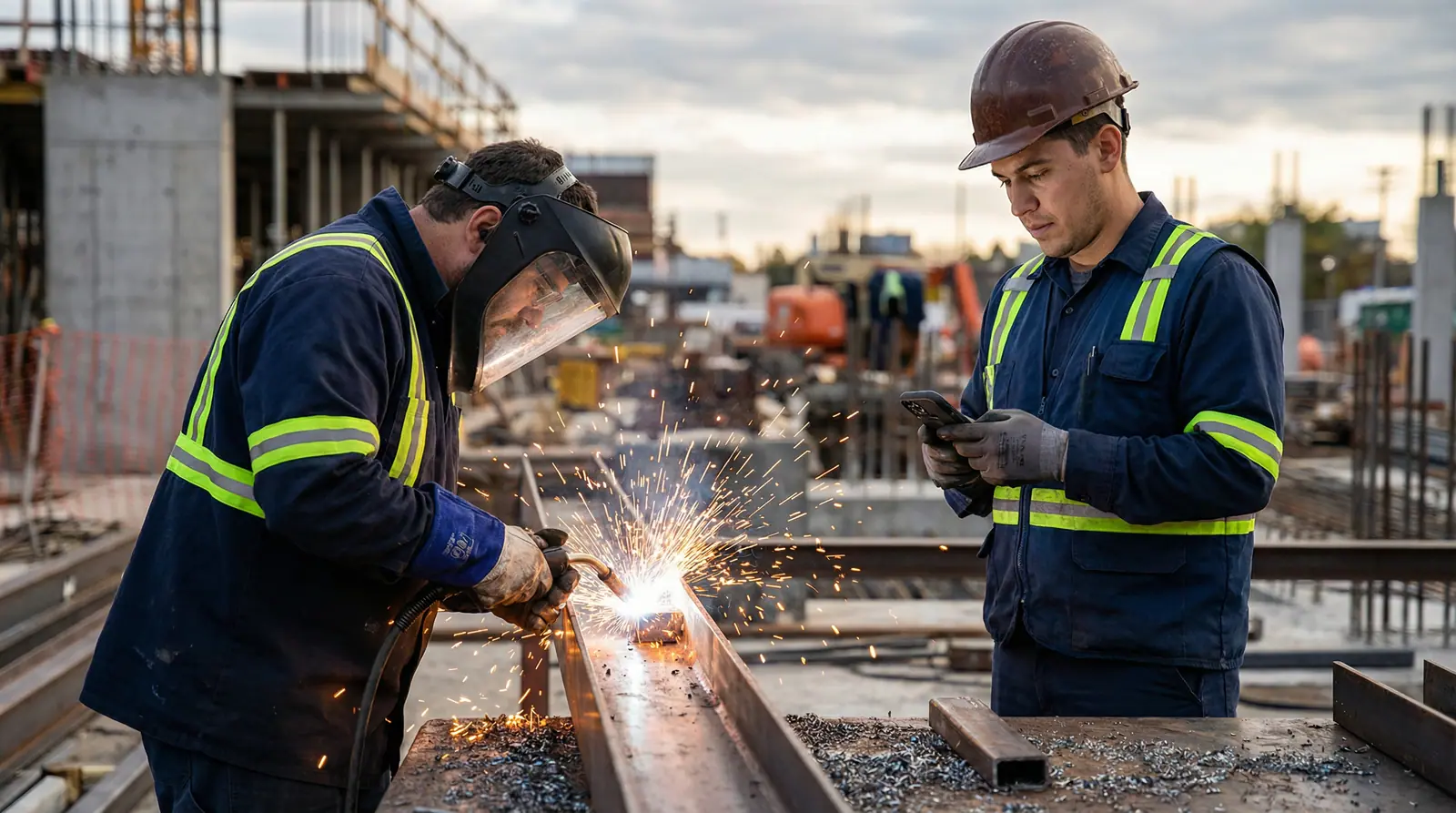
Construction sits near the bottom of Anthropic's own AI exposure list, while the trades face a 520,000-worker shortage by 2030. Two unrelated data sources pointing the same direction, and what it means for how you hire.
AI in the Construction Workplace: Five Problems
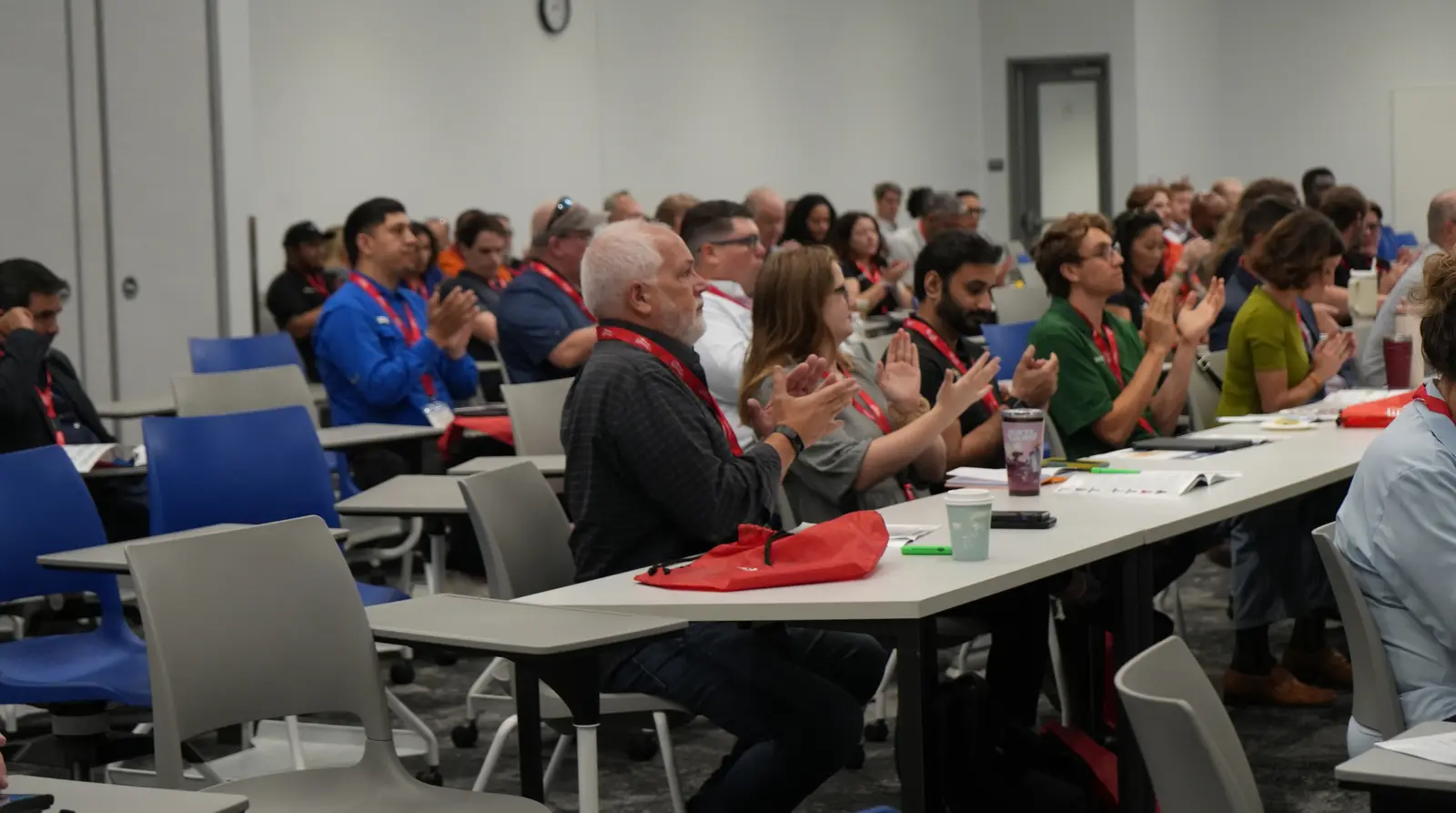
Five problems come up on nearly every contractor's desk, change orders, information overload, rework, slow payment, and knowledge loss, and the AI that fits each.
Ready to take on more premium projects without adding to your overhead?
Lock in your flat-rate, unlimited-user fee with ServiceIQ today.
Start your free trial